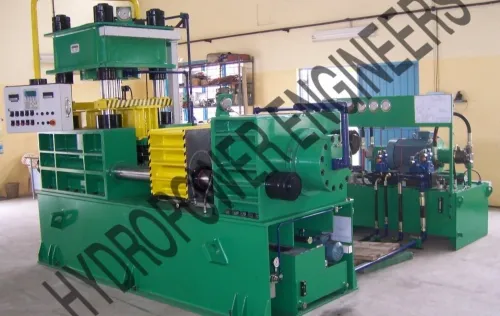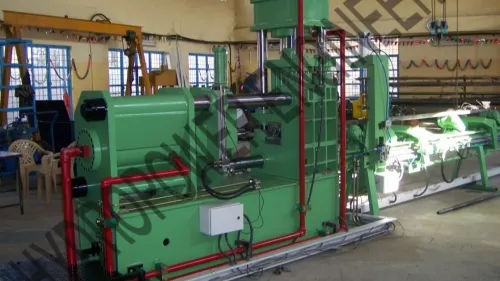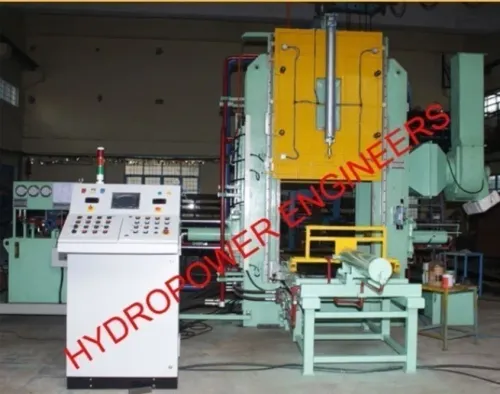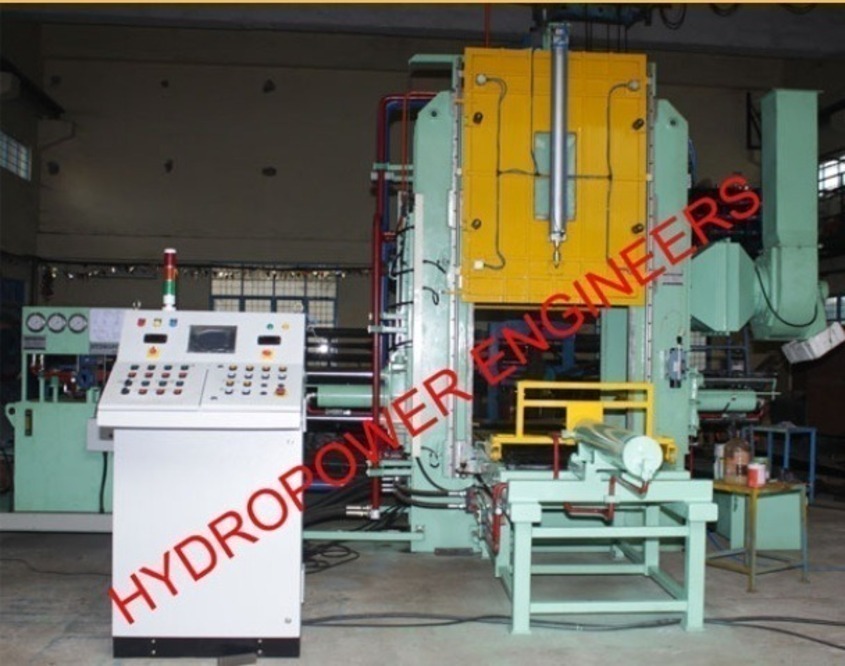
A Hydraulic Compactor is an essential piece of equipment for industries that generate large volumes of waste materials, scrap, packaging residue, or recyclable products. Whether used in manufacturing plants, warehouses, logistics facilities, or processing units, compactors help reduce storage requirements, improve waste management efficiency, and lower transportation costs.
For businesses in Ahmedabad, investing in the right hydraulic compactor involves more than comparing machine specifications. The choice of supplier can have a significant impact on equipment performance, reliability, and long-term operating costs.
One of the first factors to evaluate is the supplier's experience in hydraulic engineering and industrial equipment manufacturing. A company with a proven background in hydraulic systems is more likely to provide machines designed for demanding industrial environments.
Equipment quality should also be carefully assessed. Businesses should examine:
- Structural design and fabrication quality
- Hydraulic component reliability
- Cylinder construction standards
- Safety mechanisms
- Power consumption efficiency
- Ease of maintenance
Compaction force is another critical consideration. Different waste materials require different compression capacities. Cardboard, plastic scrap, metal shavings, and industrial packaging materials all behave differently during compaction.
A reliable supplier should be able to recommend the correct machine based on material characteristics and operational requirements rather than offering a one-size-fits-all solution.
Service support often becomes more important than the initial purchase price. Unexpected downtime can disrupt waste management operations and create production bottlenecks. Businesses should inquire about spare parts availability, maintenance support, and response times for technical assistance.
Manufacturers across Maharashtra increasingly seek equipment that integrates with broader sustainability initiatives. Hydraulic compactors can contribute to improved waste handling, reduced transportation frequency, and better recycling practices.
Hydropower Engineers has worked with industries requiring hydraulic equipment and custom-engineered machinery solutions. Their experience in hydraulic systems helps industrial users identify equipment designed for durability, efficiency, and long-term operational performance.
When comparing suppliers, businesses should also request case studies, references, and details about previous installations. Understanding how equipment performs in real-world industrial settings can provide valuable insight beyond technical specifications.
A hydraulic compactor is typically a long-term capital investment. Selecting a supplier with strong engineering capabilities, dependable support, and industry experience can help businesses maximize operational efficiency while minimizing lifecycle costs.