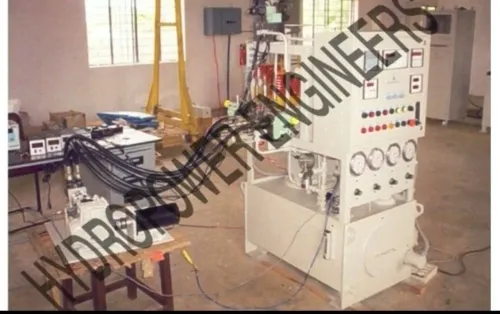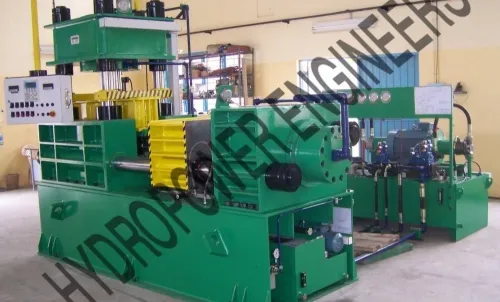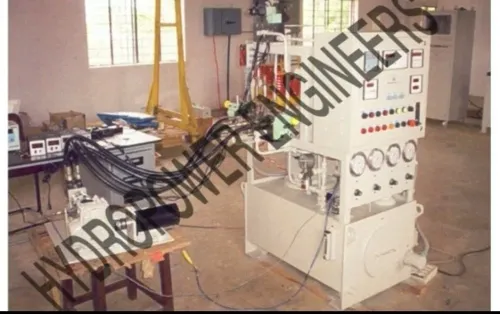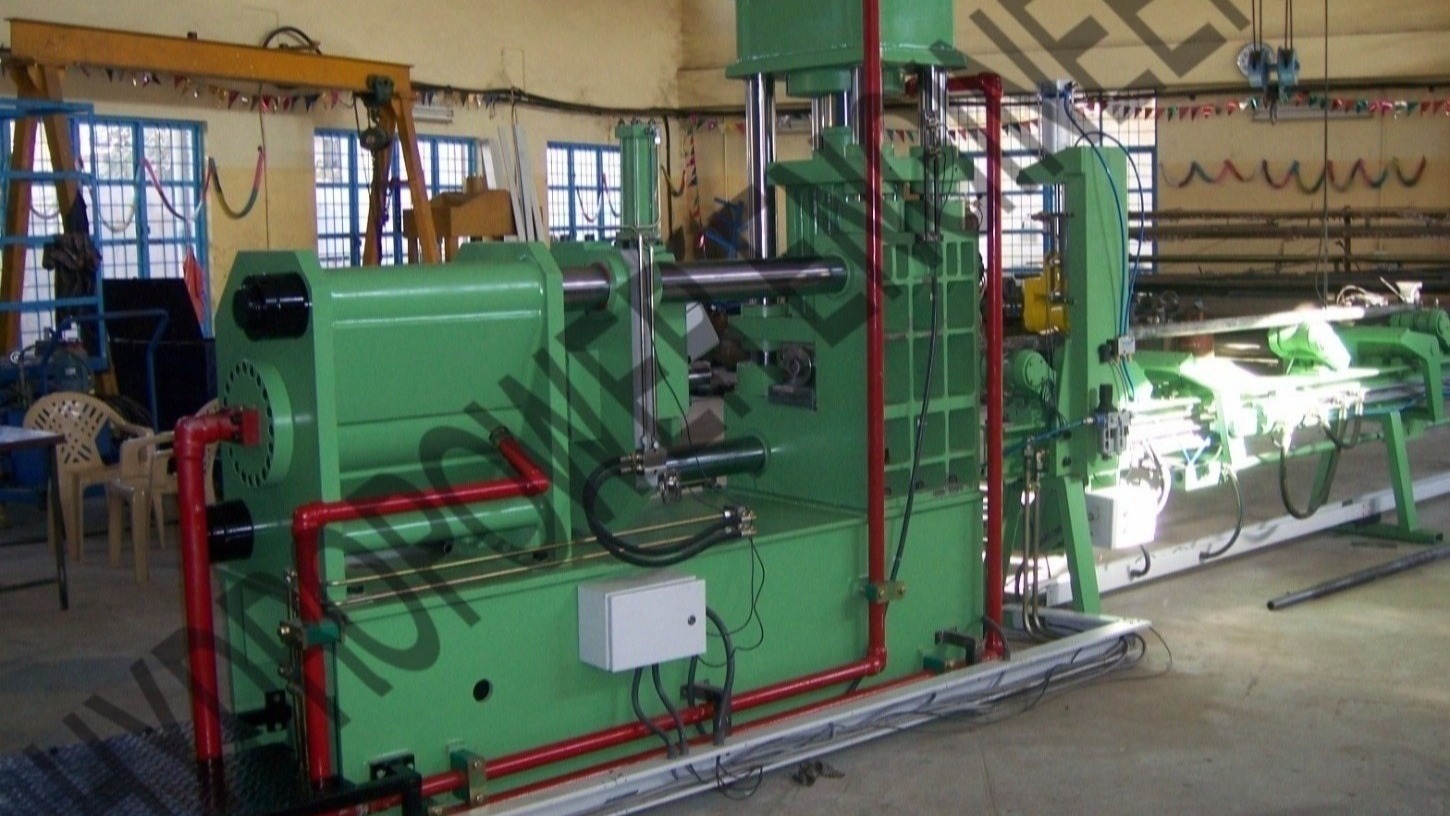
A Rod Pipe Tube Swaging Machine is used when manufacturers need to reduce, shape, taper, or form the diameter of rods, pipes, and tubes with controlled dimensional accuracy. Instead of relying on extensive cutting or material removal, swaging reshapes the workpiece through repeated radial forming forces. This makes the process useful for industrial applications where consistent profiles, material utilization, and repeatability are important.
In a typical swaging operation, dies apply controlled force around the workpiece. Depending on the machine design and production requirement, the process can produce reduced ends, stepped profiles, tapered sections, or specially formed geometries. Because the material is displaced rather than simply removed, swaging can be an efficient option for components that must retain useful material characteristics after forming.
Manufacturers considering a swaging system should first study the workpiece rather than selecting a machine only by its overall capacity. Important factors include:
Starting and finished diameter
Rod, pipe, or tube material
Wall thickness in tubular components
Required reduction ratio
Length of the formed section
Production quantity
Dimensional tolerance
Surface finish expectations
Loading and unloading method
These parameters influence die design, machine force, operating cycle, and the type of hydraulic arrangement required.
A properly engineered machine can also improve production consistency. Manual forming methods may produce variations when operator technique changes between batches. A dedicated swaging machine creates a defined operating sequence, making it easier to maintain repeatable dimensions once the process parameters and tooling have been established.
This is particularly relevant for engineering businesses in Ahmedabad and other manufacturing centres across Gujarat, where tube processing, fabrication, automotive components, industrial equipment, and general engineering operations frequently require repeatable metal-forming processes.
Tooling deserves equal attention. Even a capable machine cannot consistently produce the required profile when dies are incorrectly designed, worn, or unsuitable for the material. Manufacturers should therefore consider tooling geometry, die material, lubrication, alignment, and maintenance as part of the complete swaging process.
Hydropower Engineers develops industrial machinery in Ahmedabad for applications where hydraulic force, controlled forming, and customized machine configurations are required. When evaluating a Rod Pipe Tube Swaging Machine, discussing actual component drawings, material specifications, production quantities, and finished dimensions can help determine a more appropriate machine configuration.
Swaging should ultimately be treated as a complete manufacturing process rather than a standalone machine operation. Workpiece preparation, tooling, machine control, inspection, and downstream operations all affect the finished component.
For manufacturers planning new tube or rod-forming capacity, understanding these variables before equipment selection can reduce unnecessary trial runs and help establish a production process that is more consistent, practical, and suited to the component being manufactured.