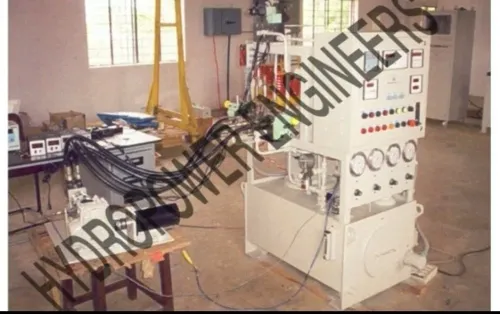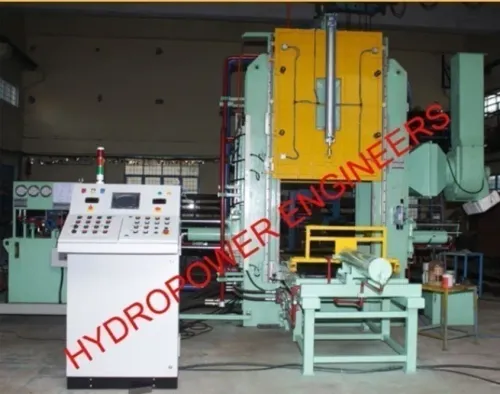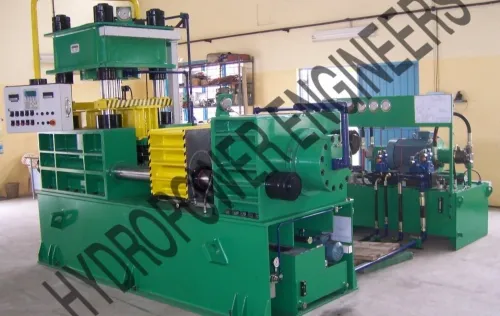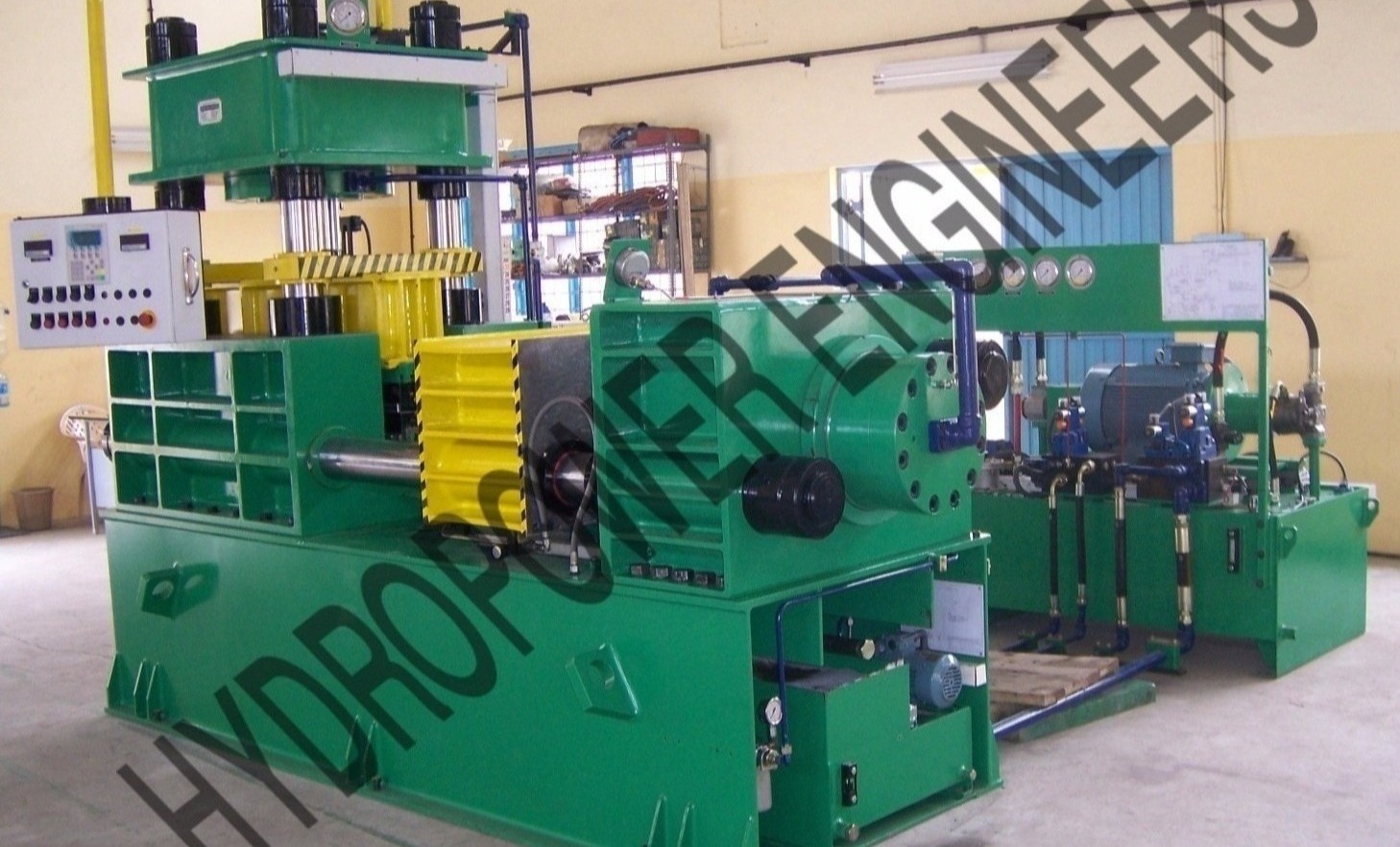
Mould fixtures play a critical role in manufacturing processes where accuracy, repeatability, and secure workholding are essential. Industries ranging from automotive and aerospace to plastic moulding and heavy engineering depend on reliable fixture systems to ensure production consistency. One common question manufacturers face is whether Hydraulically Operated Mould Fixtures or Pneumatically Operated Mould Fixtures are the better choice.
The answer depends on the application's force requirements, production speed, operating environment, and overall manufacturing objectives.
Hydraulic fixtures use pressurized fluid to generate clamping force. Pneumatic fixtures use compressed air. While both systems serve similar functions, their performance characteristics differ significantly.
Advantages of Hydraulic Fixtures
Hydraulic systems are known for delivering high clamping force with exceptional stability. They are commonly used in applications involving heavy workpieces, demanding machining operations, and situations where movement must be minimized.
Key benefits include:
Higher clamping force
Better holding stability
Greater suitability for heavy-duty applications
Improved precision during machining
Advantages of Pneumatic Fixtures
Pneumatic systems are typically faster and simpler to operate. They are often selected for lighter applications where rapid cycling is more important than maximum holding force.
Benefits include:
Faster actuation
Lower maintenance complexity
Clean operation
Lower initial installation costs
Manufacturers in Ahmedabad often evaluate fixture systems based on the type of products being produced. Heavy fabrication and metalworking industries generally favor hydraulic solutions, while lighter assembly and packaging operations may benefit from pneumatic systems.
Another important consideration is process reliability. Hydraulic systems maintain consistent force levels even during extended production cycles. This makes them ideal for applications where dimensional accuracy and repeatability are critical quality requirements.
Modern fixture designs increasingly incorporate automation capabilities, enabling integration with robotic handling systems and CNC equipment. These advancements improve productivity while reducing operator dependency.
Hydropower Engineers provides engineering solutions for industries seeking customized hydraulic equipment and fixture systems. Their experience in hydraulic technology enables manufacturers to implement reliable solutions tailored to operational requirements.
Before making a final decision, businesses should evaluate load requirements, cycle frequency, installation environment, energy consumption, and future scalability. Selecting the appropriate mould fixture system can improve productivity, reduce defects, and enhance manufacturing consistency.
In many industrial environments across Maharashtra, hydraulic and pneumatic fixtures continue to play essential roles in supporting efficient, high-quality production processes.