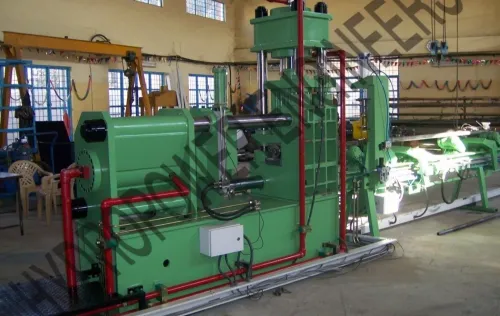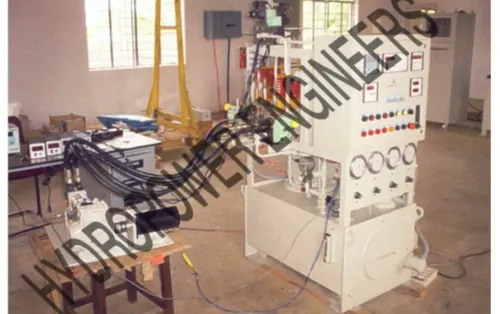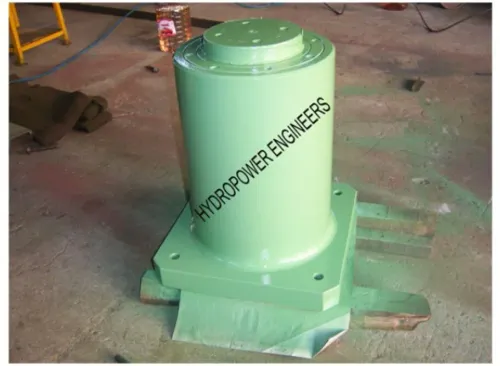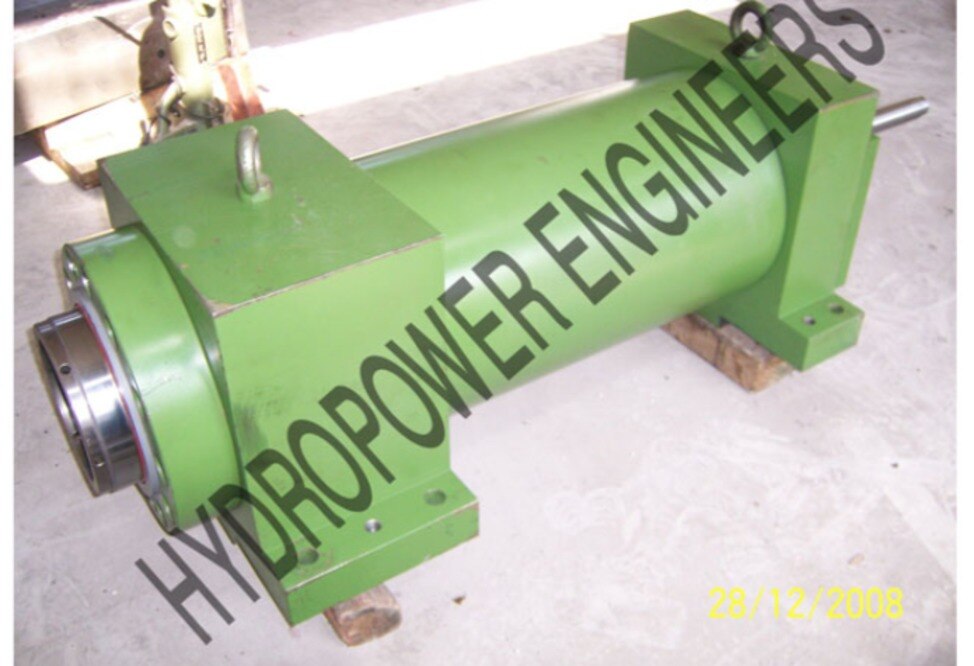
A squeeze-bending machine depends on more than a pump with a high pressure rating: pressure creates actuator force, while flow controls how quickly the clamp, pressure die and return cylinders move. By the end, you will be able to trace the hydraulic cycle, size the main components, compare power-pack specifications and identify faults without creating a safety hazard.
Key takeaways
- Match pump flow to required cylinder speed and cycle time.
- Set relief pressure below the lowest-rated component.
- Increase force demand for thicker tubes, tighter bends and harder alloys.
- Check oil temperature, filters, leaks and valve response before changing settings.
What the Power Pack Does During Each Bending Cycle
During each cycle, hydraulic power converts pump flow into controlled cylinder movement for loading, bending and release. The die set, tube material and tooling determine the bend radius; the power pack supplies force and motion. A relief valve limits maximum system pressure, while directional valves route oil to each actuator.
- Loading: The clamp cylinder retracts to open the tooling. The operator or loader places the tube against the stop, and position feedback confirms that the tube is seated.
- Die closure: The valve sends oil to the clamp and pressure-die cylinders. They close around the tube, and a pressure switch confirms clamping before the machine permits movement.
- Squeeze and bend: Flow moves the pressure die, carriage or bending cylinder through its programmed stroke. The pressure die holds the tube against the bend die; excessive pressure can mark thin-wall tube or increase ovality, while low pressure allows slipping or wrinkling.
- Pressure hold: The valve closes or maintains flow as the circuit holds force long enough for the programmed bend. The relief setting is a safety limit, not the correct pressure for every tube and die combination.
- Release and return: The pressure die and clamp retract in sequence, then the carriage returns so you can remove the formed tube safely.
A hydraulic power pack for tube squeeze bending machine in Chennai should be commissioned under the actual sequence. Record pressure, flow, oil temperature, cycle time and motor current; nameplate pressure alone can hide pump wear, relief-valve bypass or internal cylinder leakage.
How to Size Pressure, Flow, Cylinders and Reservoir Capacity
Size the hydraulic power pack from the motion that occurs at the same time, not by adding unrelated maximum values. Calculate force with F = p × A: required cylinder force in newtons equals pressure in pascals multiplied by piston area. During retraction, subtract the rod area.
A higher-pressure pump cannot compensate for an undersized cylinder.
1. Record the required clamp, pressure-die and carriage forces, cylinder strokes, target speeds and which actuators move together. Select the working pressure below the relief-valve setting, then check that the cylinder bore supplies force with a margin for friction and machine losses.
2. Calculate flow for each actuator with Q = A × v. Add only the flows required during the simultaneous peak step. Use P(kW) = pressure(bar) × flow(L/min) ÷ 600, then allow for pump, valve, pipe and motor losses when selecting the motor. Flow controls speed; pressure supplies force.
3. Size the reservoir from pump flow, heat rejection and oil level limits. A three-to-five-times-pump-flow tank is a starting point, not a guarantee. Confirm the volume prevents vortexing and keeps return oil submerged, then select cooling if measured oil temperature exceeds the machine’s specified limit.
4. Commission the tube squeeze bending machine hydraulic power with the production sequence running. Measure pressure, useful flow, oil temperature, cycle time and motor current. A nameplate pressure check alone can hide pump wear, relief bypass, suction restriction, air ingress or cylinder bypassing.
For hydraulic power pack bending equipment, specify flow at working pressure, motor starting method, valve response, filtration, cooling, leakage limits, cylinder stroke and speed, and pressure or position feedback. These details turn tube squeeze bending machine hydraulic power into repeatable production rather than a pressure rating on paper.
How Tube and Tooling Choices Change Hydraulic Demand
Tube diameter, wall thickness and bend radius set the pressure-die load. A large diameter, thin wall or tight radius increases the risk of flattening, wrinkling and slip; excessive pressure then marks the tube or raises ovality. Establish pressure through trials for each tube-and-die combination, not from the power pack’s relief-valve setting.
| Choice | Hydraulic demand | When it applies |
|---|---|---|
| Squeeze bending | Sustained pressure-die force, plus clamp and carriage force | Simple bends, moderate radii and short cycle paths |
| Rotary draw bending | Higher, closely controlled clamp, pressure-die and mandrel forces | Tight radii, thin walls and low ovality requirements |
| Roll bending | Repeated, lower-force forming with controlled roll motion | Large radii, long curves and gradual forming |
| Induction bending | Hydraulic clamping and feed; heat supplies much of the forming energy | Large sections, thick walls and large-radius bends |
Material strength changes the required force: stainless steel and high-strength steel demand more force than mild steel, while soft aluminium can suffer surface damage or collapse under an aggressive squeeze. Lubrication and die alignment alter friction, so identical tubes can need different pressure settings.
Production rate determines flow rather than just peak pressure. A faster cycle needs enough litres per minute for rapid cylinder travel, while pressure holding still needs stable control at the pressure die.
Confirm cycle time, oil temperature and motor current during the complete sequence; a slow return, relief-valve bypass or internal cylinder leakage can make a tube squeeze bending machine hydraulic power system appear correctly rated while production remains inconsistent.
Which Power-Pack Specifications Matter in a Chennai Installation
Compare the power pack at the machine, not from its nameplate alone. A suitable hydraulic power pack bending equipment specification states useful flow at the required pressure, motor starting method, valve response, cylinder speed, and the simultaneous-motion sequence.
| Specification | Compare | Why it matters |
|---|---|---|
| Pressure and flow | Measured output at working pressure, in bar and litres per minute | Nameplate pressure can hide relief-valve bypass, pump wear, or pressure loss |
| Motor and electrical supply | Motor kilowatts, voltage, phase, starter or variable-frequency drive | An incorrect starting method can trip the supply or delay cylinder response |
| Valves and feedback | Directional-valve configuration, pressure switch, and position sensors | A PLC command alone cannot prove that clamping is complete |
| Tank, filtration, cooling | Reservoir volume, filter micron rating, return filter, air cooler or water cooler | Dirty or overheated oil accelerates valve and seal failure |
| Hoses and service access | Correct bore, minimum bend radius, guards, test points, and replacement clearance | Long undersized hoses create pressure drop and response lag |
For a tube bending hydraulic system in Chennai, specify the installed hose lengths and pressure-test the complete circuit. Route hoses away from die movement, clamp points, and abrasion; a pump-bench result will not reveal those losses.
Require commissioning records for pressure, flow, oil temperature, cycle time, and motor current during production. Set pressure-die force through tube-and-die trials: excessive pressure marks thin-wall tube, while insufficient pressure causes slipping or wrinkles.
- Confirm permissives for clamp position, die position, oil level, oil temperature, and pressure.
- State leakage limits, cylinder stroke, and return speed.
- Ask Hydropower Engineers to review the machine sequence alongside the pack specification, not pressure and tank volume alone.
Related products
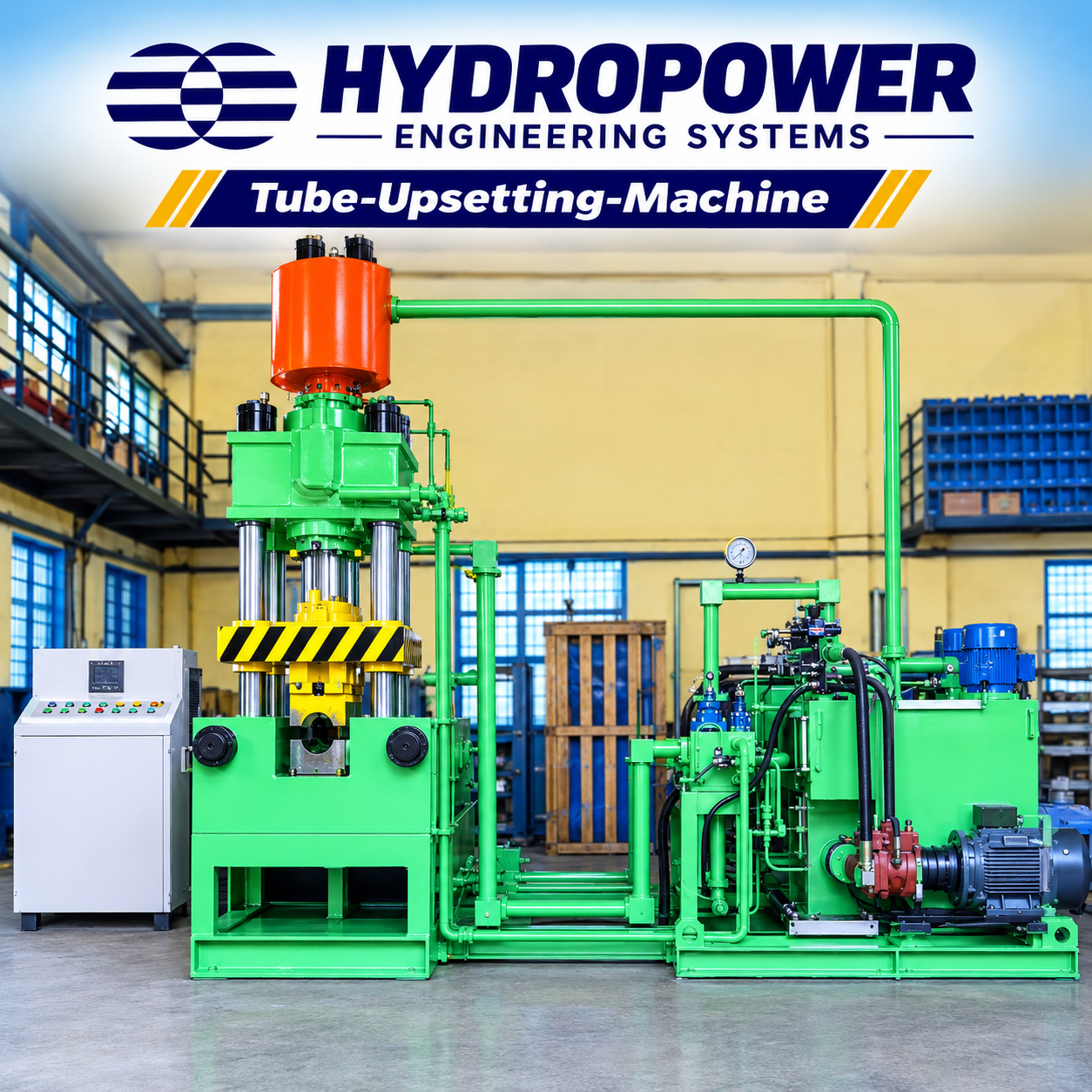 | Tube-Upsetting Machine The Tube Upsetting Machine from Hydropower Engineering Systems is designed for high-performance hot forging of tube ends. View product → |
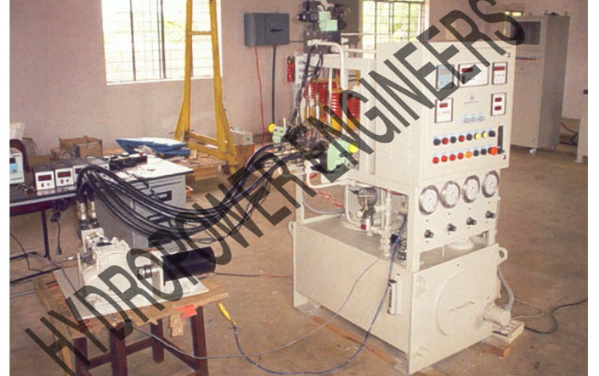 | Hydraulic Power Pack Hydropower Engineering Systems offers high-performance Hydraulic Power Packs designed to meet a wide range of industrial application requirements... View product → |
How to Diagnose Hydraulic Faults Without Creating New Risks
Diagnose faults with the machine stopped, isolated and depressurised; never reach through a guard or loosen a fitting while an actuator could move. Lock out electrical and hydraulic energy, block raised tooling, confirm zero gauge pressure, and keep interlocked guards in place during any powered test.
1. For weak force, measure pressure at the actuator inlet during the bend, not only at the pump outlet. Compare flow, motor current and cycle time with commissioning records; relief-valve bypass, a restricted suction line, pump wear or an internally bypassing cylinder can all hide behind a normal nameplate pressure.
2. For slow or jerky motion, inspect oil level, suction connections, filter restriction and air bubbles in the return flow. Check long hoses for undersizing, sharp bends and crushed sections before adjusting valve settings.
3. For overheating, record oil temperature through the production sequence. A relief valve passing continuously, an undersized cooler, excessive pressure-die force or simultaneous motions beyond the pump’s flow capacity turns input power into heat.
4. For leakage, isolate and clean the area before tracing it. Replace damaged hoses, fittings or seals; never tighten a pressurised connection, and never use your hand to find a pinhole.
5. For misalignment, verify die, clamp, pressure-die and cylinder positions mechanically. Excessive pressure can mark thin-wall tube, while insufficient pressure permits slipping or wrinkling.
Commission a hydraulic power pack for tube squeeze bending machine in Chennai with measured pressure, flow, temperature, current and cycle time. A tube bending hydraulic system in Chennai also needs hardwired pressure and position permissives before the guard allows a bend.
Frequently asked questions
What does a hydraulic power pack do during a tube squeeze bending cycle?
The pump supplies oil flow, directional valves route it to each actuator, and cylinders perform loading, bending and release. A relief valve limits maximum pressure.
How do you size a hydraulic power pack for a tube squeeze bending machine?
Calculate cylinder force from pressure and piston area, calculate speed from flow and piston area, then select reservoir capacity, pump displacement and motor power for the required cycle.
How do tube and tooling choices change hydraulic demand?
Thicker tubes, harder materials, tighter bend radii and higher clamp forces increase cylinder force and oil demand. Die geometry and tooling clearance also affect the required stroke and cycle.
Which hydraulic specifications matter in a Chennai installation?
Check supply voltage, motor rating, ambient heat, oil cooling, reservoir access, filtration, hose routing, guarding, noise and service clearance before installation.
How can you diagnose hydraulic faults without creating new risks?
Depressurise and isolate the machine before inspection. Check oil level, leaks, filter condition, temperature, pressure readings, valve operation and cylinder movement in a controlled sequence.