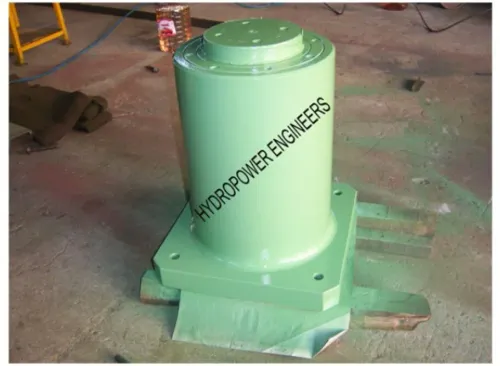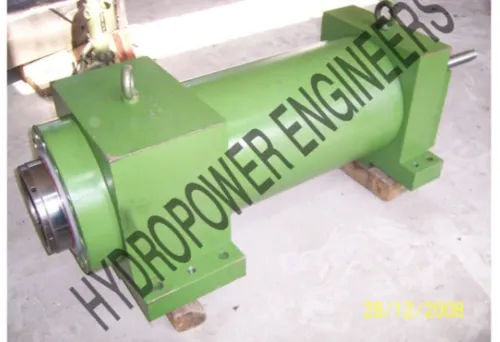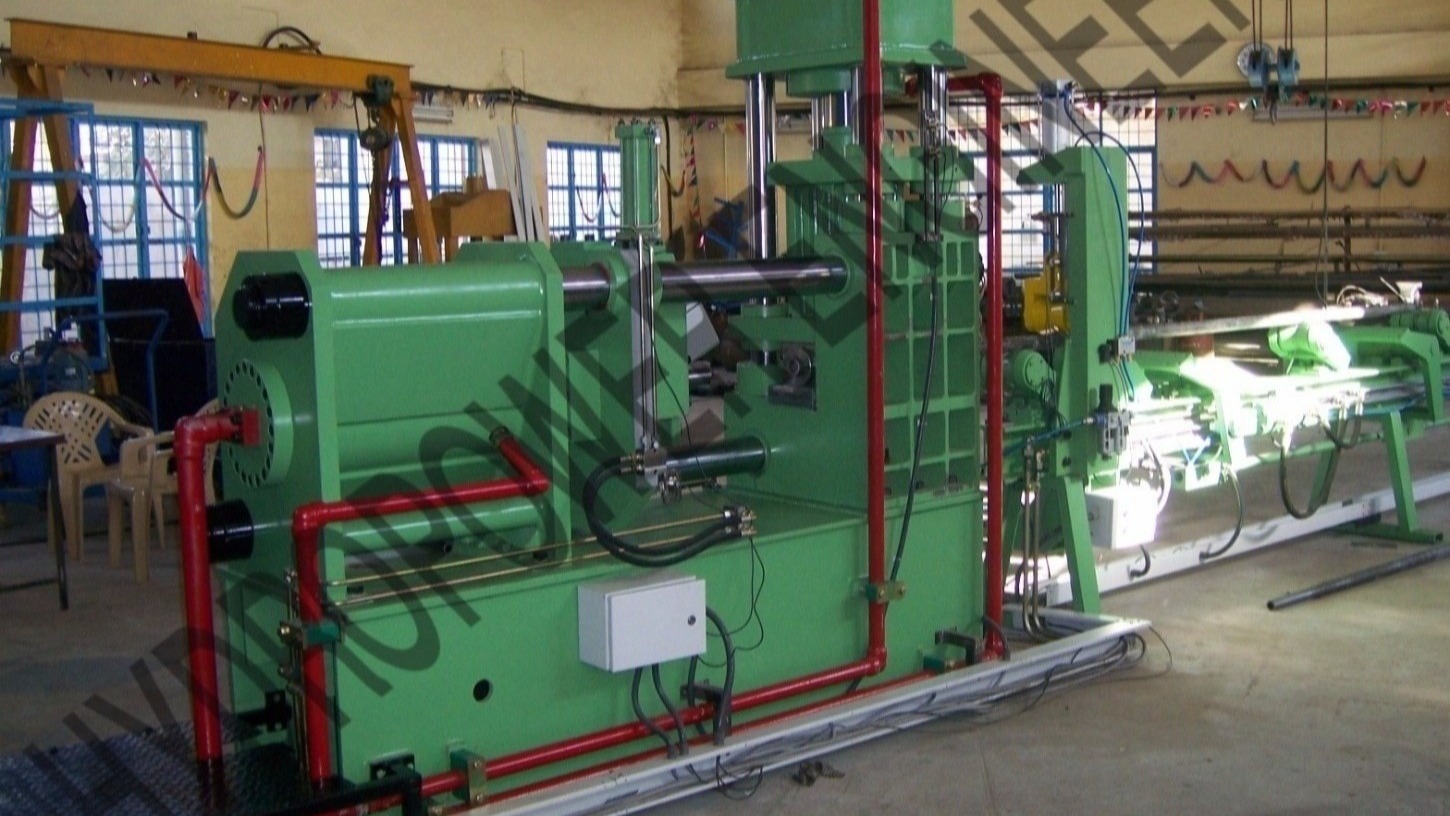
Increasing the cross-section of a rod, pipe, or tube at a specific location may appear straightforward, but producing that change consistently requires controlled material movement. A Rod Pipe Tube Upsetting Machine is used when manufacturers need to increase material thickness or diameter in a defined area without simply attaching additional material.
Upsetting is essentially a forming process. Axial compressive force causes material to flow outward, creating the required enlarged section. Depending on the component and material, the operation may involve specific tooling, controlled positioning, heating considerations, or multiple forming stages.
The process can be useful for parts requiring enlarged ends, stronger connection zones, preparation for subsequent machining, or special profiles. The exact machine arrangement depends heavily on the component geometry and material behavior.
So when should a manufacturer consider a dedicated upsetting machine?
The strongest indicator is repeatability. If the same upset profile is required across recurring production quantities, manually controlled forming processes can introduce unacceptable variation. A purpose-designed machine allows force, movement, holding, and tooling to be managed in a more predictable way.
Material characteristics must be evaluated carefully. The force required to upset a component depends on factors such as:
Material grade
Initial diameter
Hollow or solid construction
Wall thickness
Required final diameter
Length of the upset section
Temperature during forming
Desired production rate
The tooling has to control material flow while preventing unwanted buckling, eccentricity, or deformation outside the intended forming zone. This is particularly important with hollow sections, where inappropriate loading conditions can distort the component.
Manufacturers should also examine what happens before and after upsetting. If a component needs heating, straightening, machining, inspection, or another forming operation, the machine layout should support an efficient material flow rather than becoming an isolated production bottleneck.
Pune has a broad engineering and manufacturing ecosystem serving automotive, heavy engineering, fabrication, and industrial equipment markets across Maharashtra. For businesses operating in these sectors, application-specific forming equipment can help standardize operations that would otherwise depend heavily on manual skill.
Safety and process control are equally important. Suitable guarding, operator controls, pressure management, component holding, and defined machine sequencing should be considered during equipment development.
Hydropower Engineers works on hydraulic machinery and special-purpose manufacturing solutions in Pune. A meaningful technical discussion about an upsetting application normally begins with the component drawing, material grade, current manufacturing method, required finished dimensions, and expected production quantity.
A Rod Pipe Tube Upsetting Machine becomes particularly valuable when an upsetting operation needs to move from an operator-dependent process to a controlled and repeatable production stage. Matching machine force and tooling to the actual material-flow requirement is therefore more important than selecting equipment based on capacity alone.