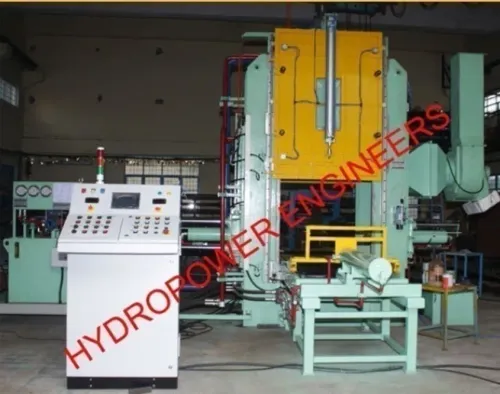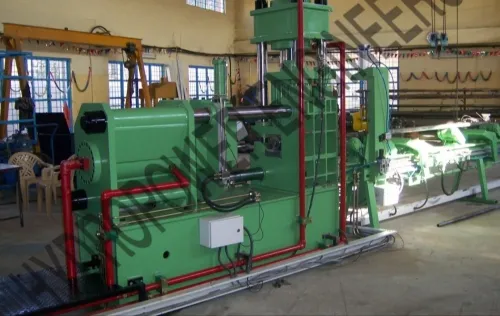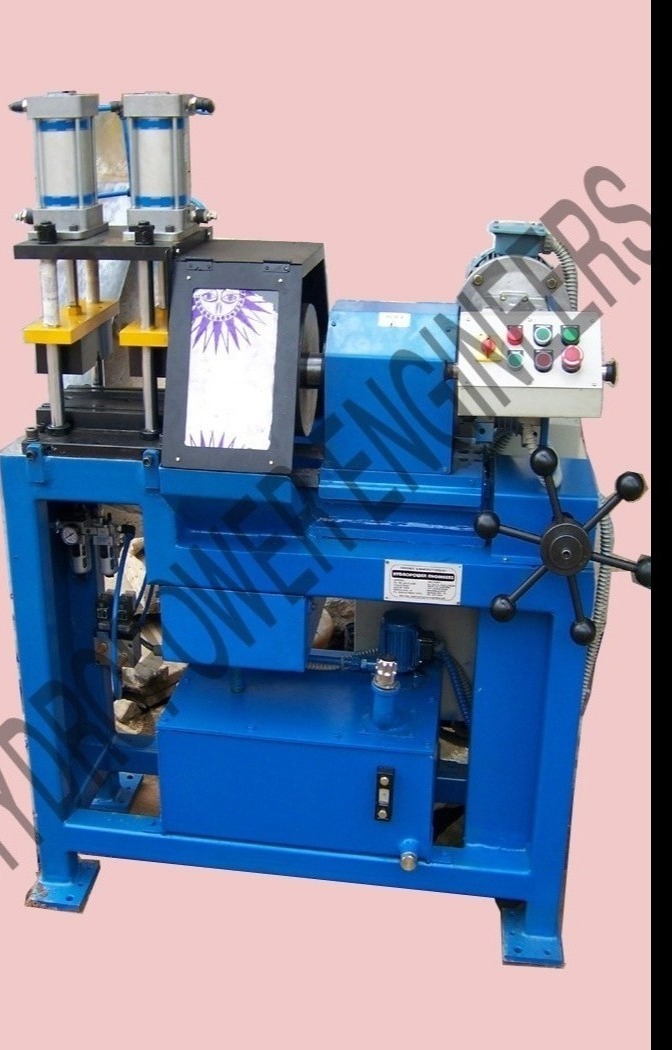
Tube bending is a critical process in industries ranging from automotive and aerospace to furniture manufacturing, HVAC systems, agricultural equipment, and industrial machinery. Selecting the right Tube Bending Machine can significantly influence production quality, operating costs, and manufacturing flexibility.
Many manufacturers initially focus only on bending capacity. However, choosing a tube bending system involves evaluating several technical and operational factors. A machine that performs well for one application may not deliver the same results for another.
The first consideration is material type. Different metals behave differently during bending. Stainless steel, aluminum, copper, and carbon steel each require specific tooling configurations and process parameters. Understanding material characteristics helps prevent defects such as wrinkling, flattening, or cracking.
Another important factor is bend complexity. Manufacturers producing simple bends may require basic hydraulic systems, while those creating complex multi-radius components often benefit from CNC-controlled bending equipment. Production volume should also influence the selection process.
Before purchasing a machine, manufacturers should assess:
- Tube diameter range
- Wall thickness requirements
- Minimum bend radius
- Production volumes
- Automation requirements
- Tooling availability
- Future expansion plans
Businesses across the Bangalore Division region of Maharashtra increasingly seek flexible manufacturing solutions capable of handling multiple product variations. A versatile tube bending system helps reduce setup times while supporting diverse production requirements.
Quality control is another major consideration. Consistent bending accuracy directly affects downstream assembly operations. Poor bend consistency can create alignment issues, increase rework, and reduce overall production efficiency.
Modern tube bending equipment often includes programmable controls, automated feeding systems, and digital measurement capabilities. These features improve repeatability while minimizing operator dependency.
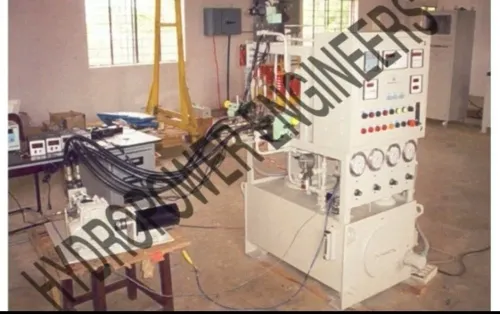
Maintenance requirements should also be reviewed before making an investment decision. Machines designed with accessible hydraulic systems, standard components, and reliable support services generally offer lower long-term ownership costs.
Manufacturers frequently overlook tooling compatibility. Tooling availability can significantly impact operational flexibility and future production capabilities. Businesses should evaluate tooling options before finalizing equipment selection.
Companies such as Hydropower Engineers support industrial manufacturers with customized machinery solutions that address specific production challenges. Such application-focused engineering becomes increasingly valuable when standard equipment cannot meet unique manufacturing requirements.
A Tube Bending Machine is more than a production asset; it is a long-term investment in manufacturing capability. Careful evaluation of technical requirements, production goals, and future scalability helps ensure the equipment delivers measurable value over time.