A plastic blow moulding machine cannot manufacture, roll, bend, rib, heat-treat, or certify a steel TMT bar. You will be able to separate a genuine TMT production requirement from an ancillary plastic packaging need and specify the equipment, tests, and supplier evidence each one requires.
Key takeaways
- A blow moulding machine cannot melt, roll, and quench steel TMT bars.
- TMT production requires reheating, rolling stands, water cooling, and finishing equipment.
- Blow moulding can make plastic packaging or protective components used around TMT operations.
- Ask suppliers for material, temperature, force, capacity, and commissioning evidence before approval.
Why a Plastic Blow Moulding Machine Cannot Make a Steel TMT Bar
A plastic blow moulding machine for TMT bar products cannot manufacture a steel TMT bar. It melts polymer pellets, extrudes a hollow parison, closes a mould around it, and uses compressed air to press plastic against the cavity.
TMT production starts with a steel billet, not polymer. The billet is reheated to roughly 850–1,050 °C, reduced through rolling stands, ribbed by grooved rolls, and rapidly cooled in a controlled water-quench system. Common blow-moulding polymers process at far lower melt temperatures and would degrade long before steel reached its rolling temperature.
The process mismatch creates several immediate failures:
1. A blow moulding machine has no reheating furnace, roughing, intermediate, or finishing rolling stands, so it cannot reduce a billet into a solid bar.
2. It has no grooved rib-forming rolls, quench box, water-pressure controls, cooling bed, straightener, or bar shear. A mould can copy a ribbed appearance, but it cannot create steel chemistry, yield strength, tensile strength, ductility, or compliant construction performance.
3. It cannot bend or cut finished TMT bars as a substitute for dedicated steel-processing equipment. Those operations require bar benders, shears, handling systems, and controlled dimensional settings.
Blow moulding machine applications include bottles, drums, tanks, and other hollow thermoplastic parts. They do not include hot rolling or thermo-mechanical treatment of reinforcing steel. A plastic imitation can resemble a TMT bar, but it remains unsuitable for structural reinforcement.
What Equipment a Real TMT Bar Production Line Requires
A genuine TMT line transforms a steel billet through heat, rolling, quenching, cooling, cutting, and handling. A practical definition of tmt bar production equipment must follow those stages, not a generic industrial machine catalogue.
1. Reheat the billet in a steel reheating furnace, then reduce its section through roughing, intermediate, and finishing rolling stands. Grooved rib-forming rolls create the surface ribs required on the finished bar.
2. Pass the bar through a Thermo-Mechanical Treatment water box immediately after the final stand. The quench box controls water flow, pressure, residence time, and bar temperature, forming the hardened martensitic outer rim around a softer inner core. Poor control produces inconsistent strength, ductility, and structure along the bar.
3. Use pinch rolls to control transfer speed, send the bar to a cooling bed, and apply straightening equipment before cutting. A shear then produces specified lengths.
4. Complete the line with bundling and handling equipment for collection, weighing, tying, and movement of finished bars. Inspection instruments must check diameter, mass per metre, bar temperature, rib geometry, and cut length.
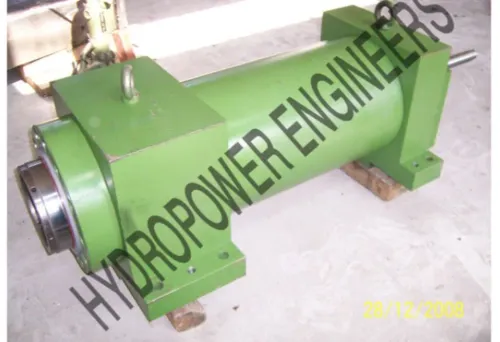
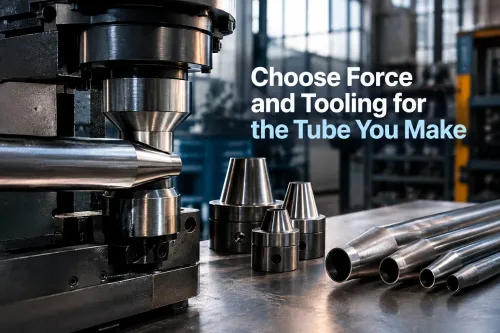
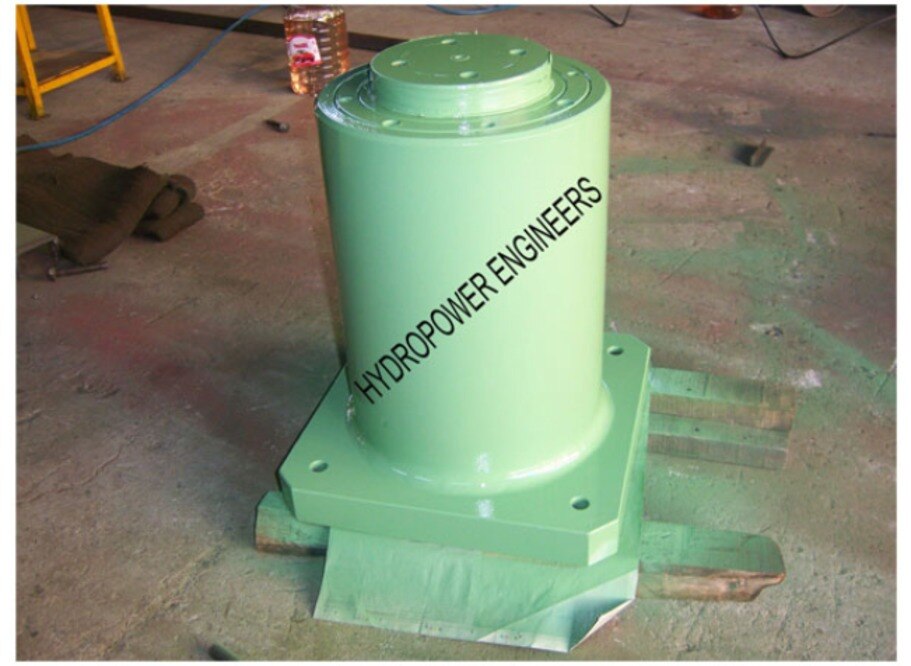
5. Keep forming machines in their proper category. A hydraulic press forms by compressive force; a tube-upsetting machine thickens tube ends; and a pipe-swaging machine reduces or shapes tubular sections. An industrial blow moulding machine forms hollow plastic parts with air pressure.
No furnace, rolling stand, rib-forming roll, quench box, cooling bed, straightener, shear, or handling unit alone constitutes a complete TMT line. None of these machines, by itself, establishes compliant steel production.
When Blow Moulding Has a Limited TMT-Related Role
Classify the output before choosing equipment: finished bar, protective sleeve, cap, packaging component, or imitation display product. A plastic blow moulding machine for TMT bar products is relevant only to the last four categories, never to the manufacture of reinforcing steel.
Blow moulding machine applications are built around hollow thermoplastic parts such as bottles, jerry cans, tanks, drums, and ducts.
A TMT bar is a solid or near-solid rolled steel product, so blow moulding cannot add a dependable structural coating without controlling mill scale, rust, residual heat, surface preparation, adhesion, voids, wall thickness, rib interference, and identification marks.
| Option | Best fit | Main limitation |
|---|---|---|
| Blow moulding | Hollow packaging, drums, ducts, or temporary sleeves | Poor fit for continuous solid-bar protection |
| Extrusion coating | Continuous polymer layer on a prepared bar | Requires controlled adhesion and cooling |
| Tube extrusion | Separate plastic tube placed over the bar | Tube sizing must clear the ribs |
| Shrink sleeving | Temporary transport or corrosion protection | Heat can affect the bar or sleeve |
| Mechanical wrapping | Removable handling protection | Leaves joints and does not form a sealed coating |
| Injection-moulded end caps | Bar-end protection | Covers ends only |
For continuous protection, compare these processes before selecting blow moulding. Hollow protective packaging, plastic end caps, drums, ducts, and temporary sleeves are ancillary products, not TMT bars; a moulded imitation only reproduces appearance, not steel strength or construction performance.
How to Specify and Verify Equipment for TMT Work
A genuine TMT enquiry must specify the steel process, not quote the capacity of an industrial blow moulding machine.
1. State billet dimensions, finished bar diameter range, grade, target throughput in tonnes per hour, reheating capacity and temperature, electrical supply, rolling force, pass design, line speed, and applicable product standard.
2. Define the quench-box operating envelope: water flow, pressure, residence time, cooling rate, and water-treatment requirements. Add cooling-bed length, straightening method, cut lengths, bundle weight, dimensional tolerances, and rib geometry.
3. Require verification against the applicable grade and dimensions of IS 1786. The supplier must provide test evidence for chemical composition, yield strength, tensile strength, elongation, bend performance, rebend performance, mass per metre, rib geometry, and heat or batch traceability.
4. If the proposed machine will make an ancillary plastic part, specify polymer compatibility, parison dimensions, mould cavity, maximum mould size, clamping force, air pressure, heating zones, cooling capacity, cycle time, wall-thickness data, compressed-air use, and a material-specific process trial.
Request a reference part and reject a visual resemblance or container-production rating as proof of steel compliance.
A proposal that omits rolling-pass design, quench performance, dimensional tolerances, and IS 1786 test results is not a TMT line quotation. A plastic machine can be evaluated for a cap, sleeve, duct, or packaging component, but not for manufacturing the reinforcing bar itself.
What to Ask a Bangalore Supplier Before You Approve a Nonstandard Use
Approve a nonstandard machine only after the supplier defines the output in writing. Ask any plastic blow moulding machine supplier Bangalore buyers consider:
- Identify the intended material and exact output: a plastic ancillary component, protective cap, transport sleeve, or claimed steel reinforcing bar.
- Provide the mould and parison design, maximum part dimensions, clamping force, air pressure, heating zones, cooling demand, cycle time, wall-thickness data, compressed-air consumption, and reject assumptions.
- Submit written validation from a material-specific process trial or reference part for the proposed polymer and geometry.
- State whether the quotation covers a plastic component or claims to make steel reinforcement.
Reject a proposal that replaces billet size, finished bar diameter, tonnes per hour, rolling pass design, quench performance, cooling-bed length, cut accuracy, and IS 1786 test results with a generic machine-capacity figure.
A TMT enquiry must instead specify grade, reheating capacity, rolling speed, water-treatment needs, cut lengths, bundle weight, and test evidence for yield strength, tensile strength, elongation, bend or rebend performance, mass per metre, rib geometry, and chemical composition.
Adapting a plastic machine would require a new mould, heating and cooling arrangement, handling system, and safety controls. Engineering time and validation costs cannot be inferred from a catalogue. Hydropower Engineers’ supplied information identifies a machine for plastic bottles and containers, not a TMT rolling mill.
For structural reinforcement, source dedicated tmt bar production equipment: rolling, shearing, straightening, bar-handling, and quenching machinery.
Related product
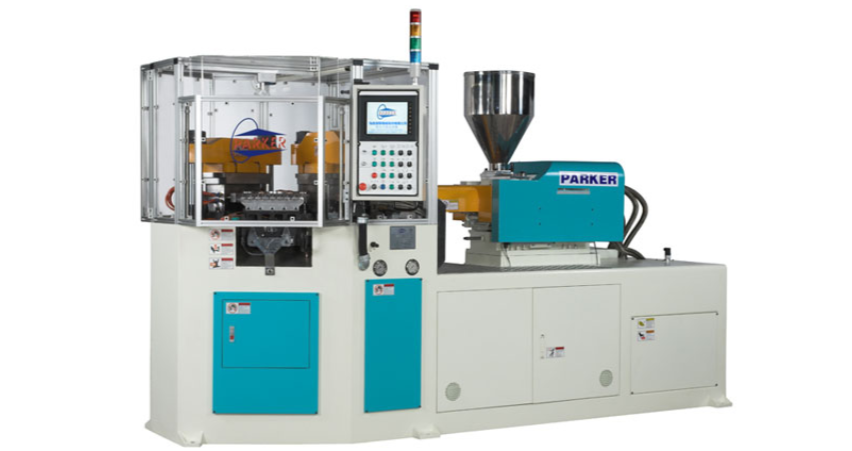 | Blow Moulding Machine Boost your manufacturing efficiency with Hydropower Engineering Systems’ Blow Moulding Machines, engineered for high-speed, cost-effective, and... View product → |
Frequently asked questions
Why cannot a plastic blow moulding machine make a steel TMT bar?
It processes polymer pellets by extruding a hollow parison and forming plastic with compressed air. A steel TMT bar requires reheating, rolling, controlled water cooling, and finishing.
What equipment does a TMT bar production line require?
A real line includes a billet reheating furnace, roughing and finishing rolling stands, a water-quenching system, cooling bed, shearing equipment, and bar handling systems.
Can blow moulding have any role in TMT-related work?
Yes. It can produce plastic containers, guards, covers, or other polymer components used in industrial handling, packaging, or maintenance around a TMT operation.
What should you verify before approving equipment for TMT work?
Confirm the processed material, operating temperature, forming method, force, output size, cooling requirements, safety controls, drawings, test results, and commissioning evidence.
What should you ask a Bangalore supplier about nonstandard use?
Ask for a written process description, material compatibility data, capacity calculations, similar installation references, acceptance-test criteria, exclusions, and after-sales support terms.