A cut that looks clean can still fail because the length varies, the end is out of square, the tube deforms, or heat changes the material near the cut. By the end, you will know how a cold saw works, which components and materials suit it, how it compares with other cutting methods, and what evidence to request before selecting equipment.
Key takeaways
- Choose toothed cold saws when low heat and square cuts matter.
- Match blade geometry and speed to the section, alloy, and target length.
- Use rigid clamping, correct feed, coolant, guarding, and chip control.
- Verify a Bangalore supplier’s test-cut evidence, service coverage, and spare-parts access.
How a Cold Saw Controls Heat, Length, and Squareness
A cold saw produces consistent metal component cuts by removing chips with a toothed circular blade rather than melting the workpiece.
Rigid workholding, aligned supports for the tube or bar, controlled feed, and coolant or cutting oil carry heat away, producing repeatable cut length, square ends, a narrow kerf, less material loss, fewer burrs, and a smaller heat-affected area than abrasive cutting.
Accuracy depends on the complete cutting system, not the machine nameplate alone. Check these points before treating a cold saw for metal components as a precision solution:
- Measure blade runout and inspect spindle condition; either problem can tilt the cut and spoil squareness.
- Align the vise and support the full section, especially thin-wall tube, to prevent rotation, vibration, flattening, or an unsupported exit.
- Stabilise feed pressure and match it to the section’s rigidity; a flexible bar can deflect even when the saw is rigid.
- Inspect tooth condition and geometry. A dull blade or incorrect tooth form increases heat, rollover, and edge damage.
- Use coolant to remove cutting heat and chips rather than assuming “cold” means heat-free.
The result is lower-burr, not burr-free. Poor support, an unsupported exit, or unsuitable teeth can leave rollover or a sharp edge, so assembly parts may still need deburring or edge conditioning.
A sound cut improves downstream fit and machining, but verify it with a witnessed sample using your actual grade, size, wall thickness, blade, coolant method, and required face condition.
Cold Saw Versus Abrasive, Band, Laser, Plasma, and Hacksaw Cutting
For repetitive tubes, pipes, bars, profiles, and shafts, a cold saw offers the strongest balance of fixed-length speed, square faces, narrow kerf, low heat input, and automation potential. That balance explains the industrial cold saw benefits in production: less material loss and fewer downstream corrections without laser-level capital cost.
| Process | Fixed-length production | Face, kerf, and heat | Noise, consumables, automation, cost |
|---|---|---|---|
| Cold saw | Fast and repeatable with stops and powered feed | Clean, relatively square face; narrow kerf; low heat | Moderate noise; circular blades and coolant; high automation; medium capital |
| Abrasive saw | Fast for short runs and difficult sections | Rougher, wider kerf; high heat, discoloration, and burr risk | Loud; sparks, dust, and frequent wheel use; automatable; lower equipment cost |
| Band saw | Slower on repeated short cuts | Good finish but squareness depends on setup; narrow kerf; low heat | Quieter; bands last well; automatable; medium cost |
| Laser | Fast for sheet and complex profiles, not every solid section | Precise profiles; narrow kerf; localized heat and edge changes | Moderate noise; gas, optics, and power; highly automatable; high capital |
| Plasma | Fast profiling of thicker material | Wider kerf, tapered or heat-affected edge | Loud; electrodes and gas; highly automatable; medium-high capital |
| Hacksaw | Slow and operator-dependent | Acceptable basic cut; narrow kerf; low heat | Low noise; low consumable cost; little automation; low capital |
Choose a band saw for very large sections, long flexible parts, irregular profiles, or frequent material changes. Choose abrasive cutting for oversized or difficult work at lower equipment cost, accepting heat, sparks, dust, and wheel consumption; laser or plasma for complex shapes; and a hacksaw for low-volume manual work.
Automatic stops, powered feeds, bundle clamping, and chip collection reduce handling and improve output. A manual cold saw is not an automated sawing line.
Match the Saw to the Section, Alloy, Blade, and Required Length
A cold saw is the right choice when your steel, aluminium, or copper-alloy component needs repeatable length and a relatively square face, and its section fits the machine’s capacity. Check these inputs before choosing the saw:
- Steel grade or aluminium/copper alloy
- Solid bar or hollow tube, pipe, or profile
- Outside diameter or bar size
- Wall thickness
- Profile shape, including angle, channel, rectangular, or irregular sections
- Workpiece length and how it will be supported
- Required cut length, tolerance, and face condition
Thin-wall tube needs distributed clamping and dedicated supports along the cut. Without them, the tube can vibrate, flatten, rotate, or snag individual teeth; increasing blade speed will not correct poor restraint.
Blade choice changes the trade-off:
| Blade | Strengths | Main limitation |
|---|---|---|
| HSS | Tough, resharpenable, tolerant of varied steel sections | Lower cutting rates and shorter runs than carbide on suitable equipment |
| Carbide-tipped | Higher rates and longer runs on suitable materials and machines | Less tolerant of impact, vibration, poor clamping, and interrupted cuts |
Match tooth pitch and geometry to the section. Coarse teeth can strike and snag thin walls; overly fine teeth rub, pack chips, and slow cutting. Do not copy a generic catalogue chart: run a production trial using the actual grade, size, wall thickness, blade, coolant method, target length, and required face condition.
Include blade runout, vise alignment, supports, feed stability, and any deburring requirement in the trial result.
Set Blade Speed, Feed, Clamping, Coolant, and Safe Operation
Start with the machine and material supplier’s cutting chart: blade diameter, tooth pitch, spindle speed, feed rate, clamping pressure, coolant type, concentration, delivery method, and operating values work as one process. Choose the diameter that suits the saw’s arbor, guard, section size, and required tooth engagement; changing diameter without recalculating speed changes cutting performance.
- Match tooth pitch to the section. A coarse pitch can strike thin-wall tube, snag teeth, and cause vibration; an overly fine pitch rubs, packs chips, and increases cutting time.
- Set spindle speed and feed from the chart for the alloy, wall thickness, and blade material. Validate the combination with a production trial rather than copying a generic catalogue value.
- Clamp close to the cut with distributed pressure. Support long stock and thin-wall tube so it cannot vibrate, flatten, rotate, or lift as teeth exit.
- Use flood coolant or minimum-quantity lubrication only as specified. Monitor concentration, filtration, contamination, flow, and delivery into the tooth gullets; coolant controls temperature, extends blade life, limits burrs, and helps prevent staining.
- Evacuate chips with brushes, adequate coolant flow, guarding, and scheduled cleaning. Recut chips damage teeth, score faces, increase heat, and shorten blade life.
| Setting | Check | Failure if wrong |
|---|---|---|
| Blade and speed | Diameter, pitch, RPM | Impact, rubbing, rapid wear |
| Feed and clamping | Chart value and rigid support | Burrs, vibration, crooked cuts |
| Coolant | Concentration, filtration, flow | Heat, corrosion, contamination |
Guard the rotating blade, vise movement, flying chips, and cutting-zone access. Apply OSHA 29 CFR 1910.212 and 1910.147 as reference points, plus applicable Indian safety and electrical requirements. Lock out and tag out before blade changes, jam clearing, or chip removal; the stop button alone is not energy isolation.
What to Verify Before Choosing a Cold Saw Supplier in Bangalore
A catalogue maximum diameter proves only that the vise opens that far; it does not guarantee your production result. Request a witnessed sample cut using:
- The actual grade, outside diameter or bar size, wall thickness, target length, blade type, and coolant method.
- The required face condition, such as square, burr-limited, or ready for welding.
- Recorded cycle time, cut length, squareness, blade condition, and coolant concentration.
Require declared tolerances and test conditions for length repeatability and squareness. Separate machine capability from application capability in the procurement specification, so a nominal feed rate cannot masquerade as a guaranteed result.
| Claim | Evidence to request | Why it matters |
|---|---|---|
| Cycle time | Production-trial result on your section | Reveals loading, cutting, and handling time |
| Accuracy | Measured repeatability and squareness over multiple cuts | Protects downstream machining and assembly fit |
| Blade support | Sharpening method, turnaround, and recommended tooth geometry | Controls tool cost and consistency |
| Service readiness | Spare-parts list, commissioning, training, and response time | Limits unplanned stoppage |
| Safety and chips | Guard inspection, chip brushes, coolant delivery, and cleaning method | Prevents recut-chip damage and unsafe access |
Assess a cold saw manufacturer bangalore or metal cutting machine supplier bangalore, including Hydropower Engineers, by evidence from your workpiece. For a Bangalore division purchase, obtain the written cutting chart and trial report. Judge cold saw cutting machine benefits in bangalore division by repeatability, downstream machining, assembly fit, and total operating effort—not motor power alone.
Related product
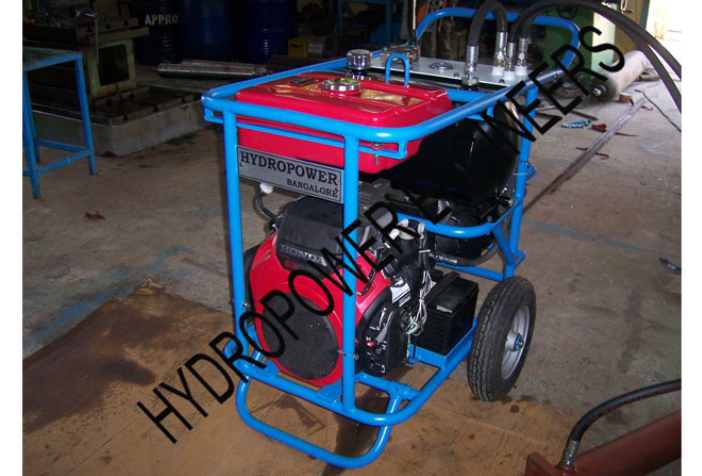 | Cold Saw Cutting Machine Enhance your metal cutting precision with the Cold Saw Cutting Machine from Hydropower Engineering Systems, engineered for high-performance, clean,... View product → |
Frequently asked questions
How does a cold saw control heat, length, and squareness?
A toothed circular blade removes chips instead of melting metal. Rigid clamping, controlled feed, blade runout control, and a measured stop help produce repeatable lengths and square ends.
How does a cold saw compare with abrasive, band, laser, plasma, and hacksaw cutting?
Cold saws produce low-heat, repeatable cuts in suitable sections. Abrasive saws create sparks and heat, band saws suit broad section ranges, laser and plasma add thermal effects, and hacksaws suit low-volume manual work.
How do you match a cold saw to the section, alloy, blade, and required length?
Check the section’s outside dimensions, wall thickness, solid cross-section, alloy, production volume, required tolerance, and cut length before selecting machine capacity and blade tooth geometry.
What should you verify before choosing a cold saw supplier in Bangalore?
Request a witnessed test cut, cut-tolerance results, machine capacity, guarding details, commissioning scope, operator training, warranty terms, local service response, and availability of blades and critical spares.