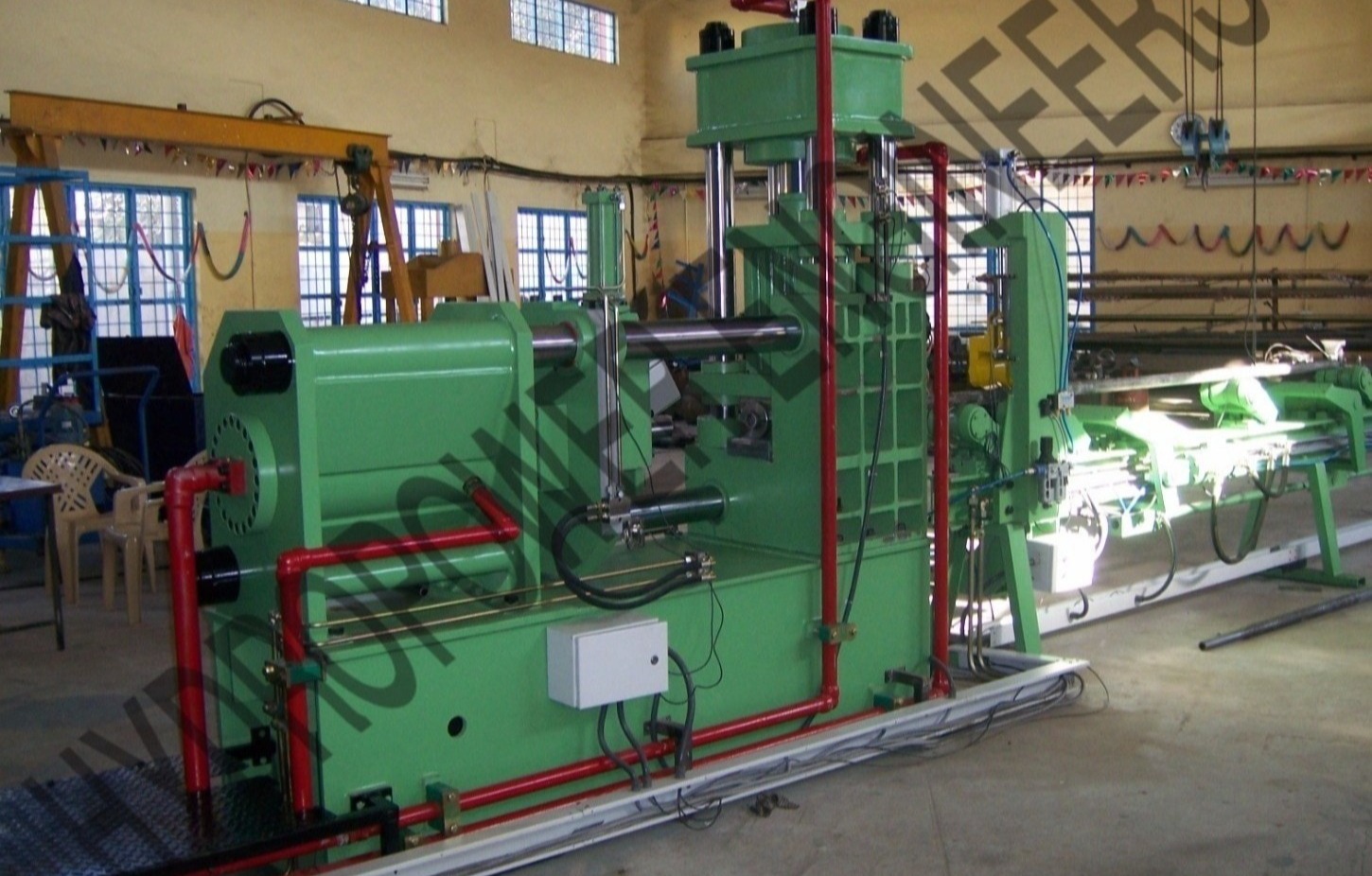
Industrial buyers often encounter confusion when comparing a Hydraulic Press and a Hydraulic Press Brake. While both machines use hydraulic force and serve manufacturing operations, their functions, applications, and capabilities are fundamentally different.
Understanding these differences helps manufacturers avoid costly purchasing mistakes and ensures equipment aligns with production requirements.
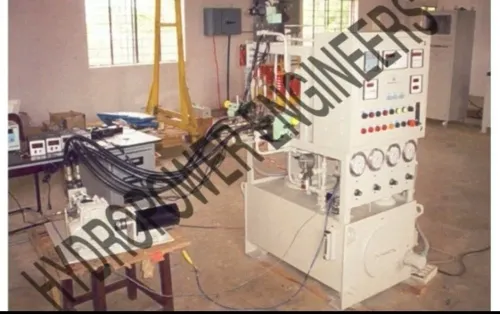
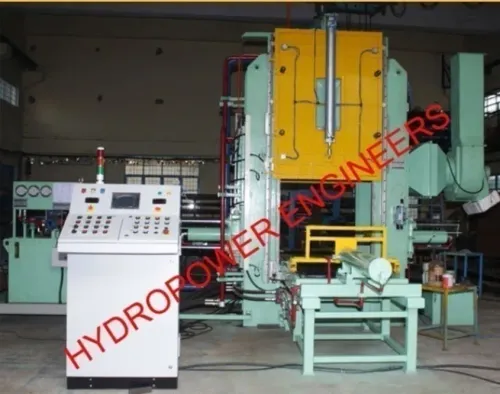
A Hydraulic Press is primarily designed to apply compressive force. It is commonly used for forming, molding, punching, assembling, deep drawing, and testing operations. The machine exerts pressure vertically onto a workpiece, making it suitable for applications requiring controlled force across a broad surface area.
A Hydraulic Press Brake, on the other hand, is specifically engineered for bending sheet metal. It uses a punch and die arrangement to create precise bends, folds, and angles in metal sheets.
Industries involved in fabrication, enclosure manufacturing, and structural metalwork frequently rely on press brakes.
The distinction becomes clearer when comparing applications.
- Hydraulic Press applications:
- Metal forming
- Component assembly
- Powder compaction
- Plastic molding
- Industrial testing
- Deep drawing
- Hydraulic Press Brake applications:
- Sheet metal bending
- Fabrication work
- Panel manufacturing
- Cabinet production
- Structural metal components
- Custom metal enclosures
Manufacturers in the Bangalore Division region of Maharashtra often evaluate both machines when expanding fabrication or production capabilities. The correct choice depends entirely on the intended production process.
Another key difference is tooling. Press brakes require specialized dies and punches to achieve specific bend profiles. Hydraulic presses utilize different tooling configurations based on forming or compression requirements.
Operational precision also varies. Modern CNC press brakes offer highly accurate angle control and automated programming for complex bending sequences. Hydraulic presses focus more on force control and process consistency.
When comparing investments, manufacturers should consider:
- Product design requirements
- Material characteristics
- Production volumes
- Precision requirements
- Future manufacturing plans
- Available floor space
Businesses sometimes assume one machine can replace the other. In reality, each machine serves distinct manufacturing purposes. Selecting the wrong equipment can lead to production inefficiencies and additional capital expenditure.
Hydropower Engineers works with industrial clients evaluating hydraulic machinery for specialized manufacturing environments. Understanding operational goals before equipment selection often results in better long-term performance and return on investment.
The best choice ultimately depends on the production challenge being solved. Manufacturers that clearly define their requirements before purchasing typically achieve higher productivity and better equipment utilization.