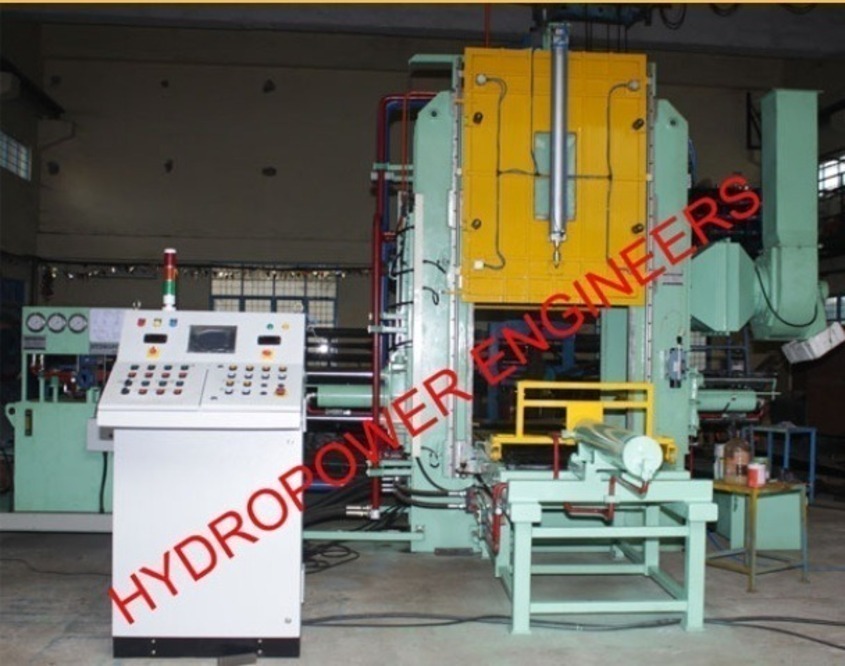
Hydraulic cylinders play a central role in industrial equipment, material handling systems, presses, lifting platforms, construction machinery, and manufacturing automation. Selecting the right cylinder is critical because performance, reliability, and safety often depend on proper specification.
Unfortunately, many purchasing decisions focus primarily on price while overlooking technical factors that influence long-term results.
Before placing an order, industrial buyers should ask several important questions.
The first consideration is load requirement. Understanding the force needed for the application helps determine cylinder bore size and operating pressure. An improperly sized cylinder can create performance issues and reduce service life.
Stroke length is equally important. The required movement distance must be clearly defined to ensure proper operation and system compatibility.
Additional questions include:
- What load must the cylinder handle?
- What operating pressure is required?
- What stroke length is needed?
- What mounting style is appropriate?
- What environmental conditions will the cylinder face?
- What sealing materials are suitable?
- Is corrosion resistance necessary?
- What maintenance schedule is recommended?
Industrial environments vary significantly. Cylinders operating in dusty factories, outdoor construction sites, marine environments, or chemical processing facilities require different design considerations.
Businesses throughout the Bangalore Division region of Maharashtra often require hydraulic cylinders for diverse applications, making application-specific design particularly important.
Material selection is another major factor. Heavy-duty applications may require specialized rod coatings, high-strength materials, and advanced sealing systems to withstand demanding operating conditions.
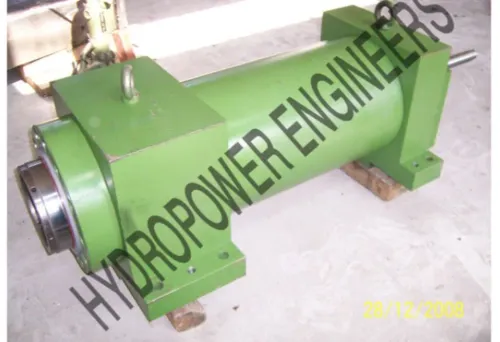
Buyers should also evaluate whether a standard hydraulic cylinder is sufficient or if a Special Hydraulic Cylinder is needed. Custom cylinders are often required where space limitations, unusual load conditions, or specialized movements are involved.
Engineering support can make a substantial difference during the selection process. Manufacturers that provide technical guidance are often better equipped to recommend solutions aligned with actual operational requirements.
Hydropower Engineers supplies hydraulic cylinders and special hydraulic cylinders designed for a variety of industrial applications. Their experience highlights the importance of proper specification before equipment procurement.
Asking the right questions before purchasing helps businesses avoid costly mistakes, improve equipment reliability, and maximize long-term operational performance.