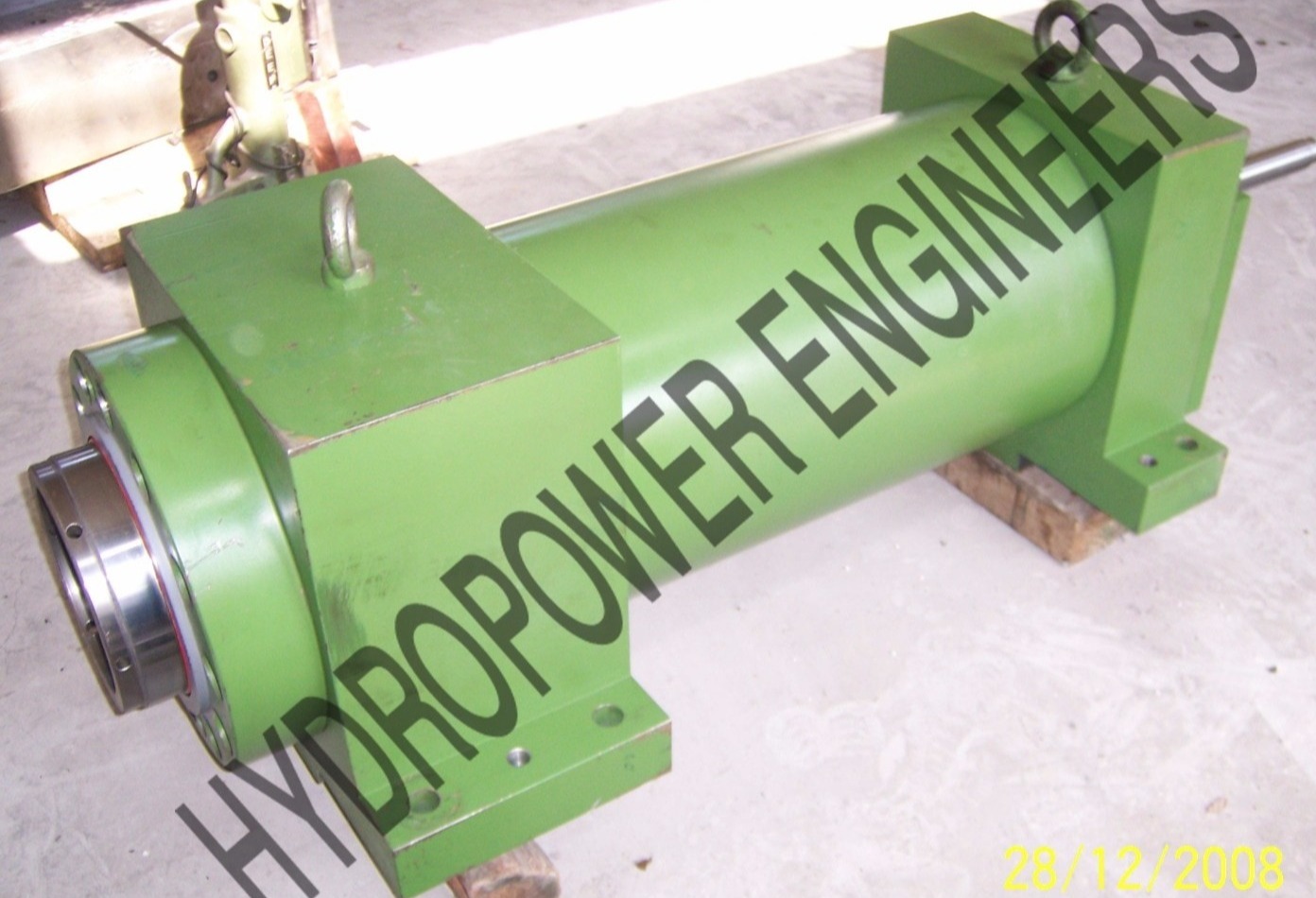
Hydraulic systems continue to power some of the most demanding industrial applications in modern manufacturing. From heavy machinery and presses to lifting equipment and automated production lines, hydraulic power remains a preferred solution when high force and reliability are required. At the center of these systems is the Hydraulic Power Pack.
A hydraulic power pack is essentially a self-contained unit designed to generate, control, and distribute hydraulic energy. It typically consists of a reservoir, hydraulic pump, motor, valves, filters, and control systems. Together, these components create the hydraulic pressure needed to operate machinery efficiently.
Businesses across the Bangalore Division region of Maharashtra are increasingly adopting hydraulic automation to improve operational efficiency and reduce manual intervention. Hydraulic power packs play a crucial role in enabling this transition.
One of the key advantages of hydraulic systems is their ability to generate significant force from relatively compact equipment. This makes them ideal for applications involving:
- Hydraulic presses
- Material handling equipment
- Industrial lifting systems
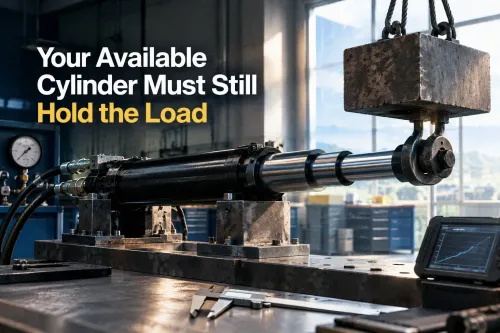
- Hydraulic cylinders
- Test rigs
- Compactors
- Manufacturing machinery
Unlike mechanical systems that may require complex gear arrangements, hydraulic systems can deliver smooth and controllable motion even under heavy loads. This improves operational precision and helps reduce wear on equipment components.
Another benefit is flexibility. Hydraulic power packs can be designed for stationary installations or mobile applications depending on production requirements. Portable Hydraulic Power Packs are particularly useful in industries where hydraulic power must be transported between work sites or maintenance locations.
Energy efficiency has also become an important consideration. Modern hydraulic power packs incorporate advanced controls, variable displacement pumps, and efficient filtration systems that optimize performance while reducing energy consumption.
When selecting a hydraulic power pack, manufacturers should evaluate several factors:
- Required operating pressure
- Flow rate requirements
- Duty cycle
- Environmental conditions
- Maintenance accessibility
- Future expansion needs
Proper system design significantly impacts long-term reliability. Undersized systems can cause performance issues, while oversized systems may lead to unnecessary energy costs.
Hydropower Engineers has supplied hydraulic power pack systems for diverse industrial applications requiring customized hydraulic solutions. Such specialized engineering support often becomes essential when businesses need systems tailored to unique operational requirements.
As industrial automation continues expanding, hydraulic power packs remain a foundational technology. Their combination of power, precision, and adaptability ensures continued relevance across manufacturing, material handling, and heavy engineering industries.